
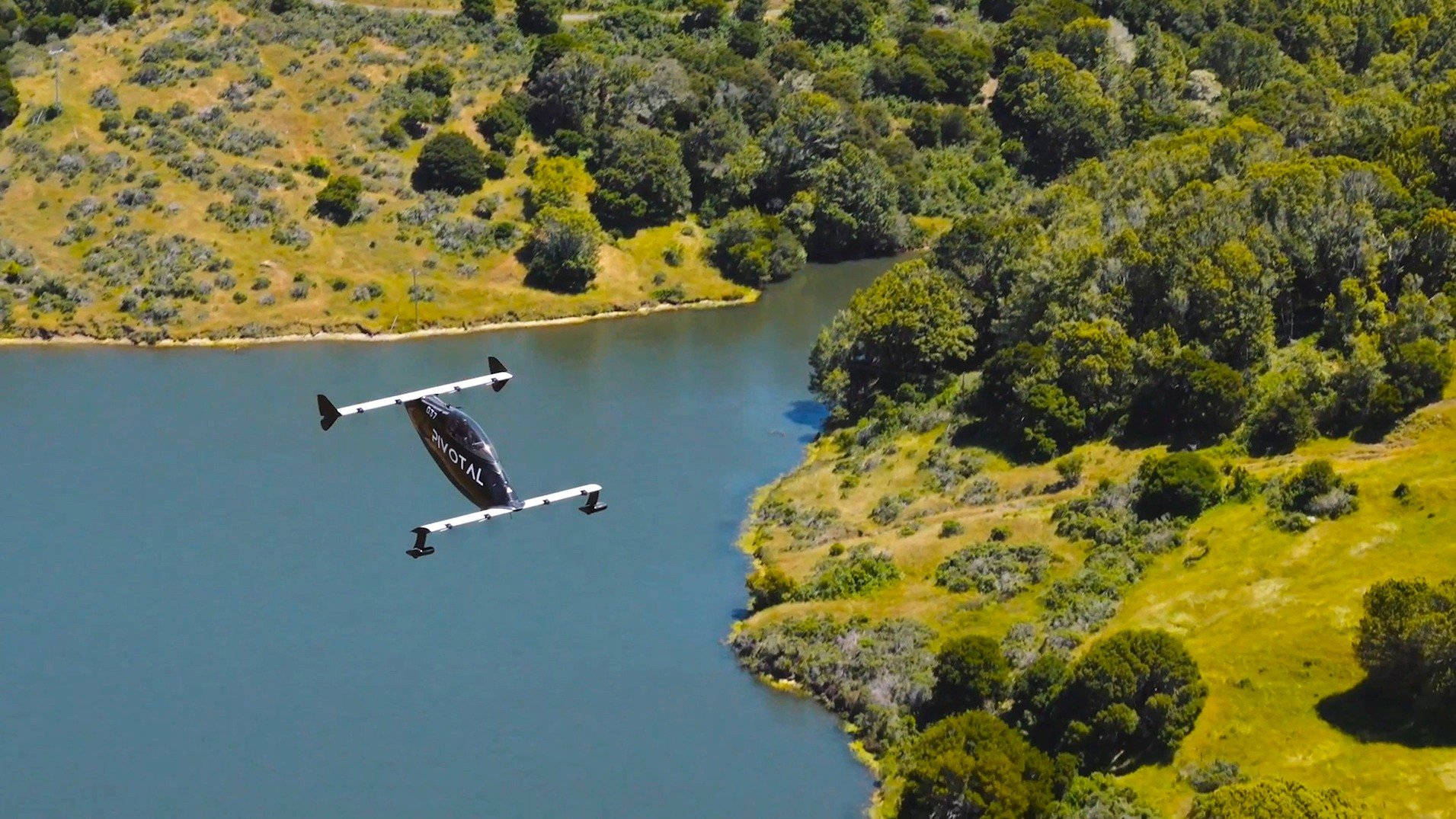
The FLying Car
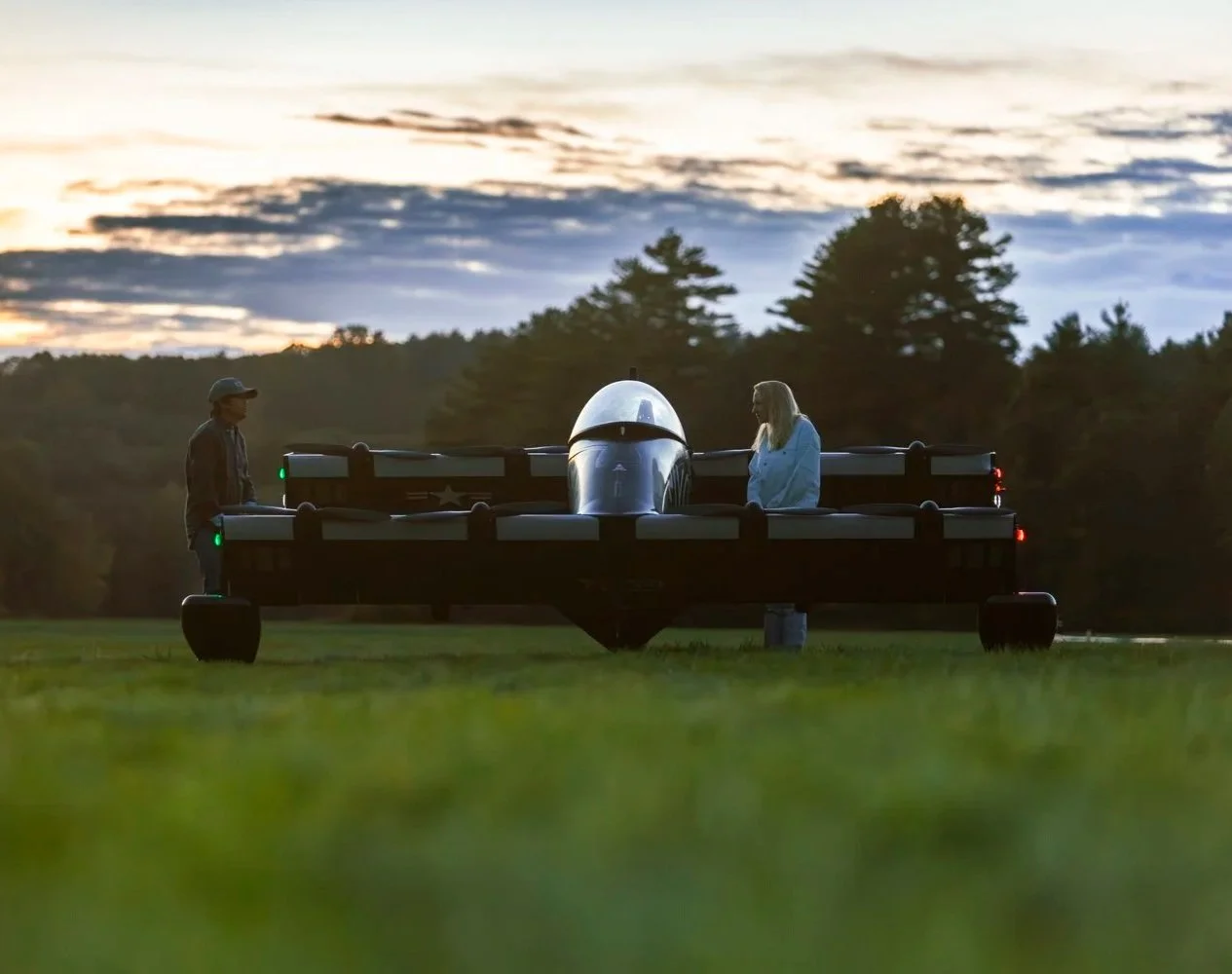
The Rise of Personal Flight
For the first time in human history, flight is becoming a personal act—not a specialized profession. What was once reserved for pilots, runways, and institutions is now moving toward everyday use through lightweight, vertical-takeoff electric aircraft designed for real human mobility.
Heather Chirtea entered this space at a rare inflection point—when the technology is no longer theoretical, but the world is still learning how to receive it.
Today’s flying cars are no longer science fiction. They are electric aircraft that lift straight into the air and remove much of the complexity once reserved for trained aviation professionals. There is no cockpit full of cryptic instruments—only a sleek, intelligent machine that actively keeps itself within a safe flight envelope and invites its occupants to look up and go.
History has finally caught up to The Jetsons. Flying cars are real—and Heather is helping the world finally realize it.

“New technology, you get mixed reactions. Some people fear it, others see exciting opportunity. One person’s UFO could be another fearlessly flying into the future…”

What Makes a True Flying Car?
At its core, a true flying car must be simple enough for everyday people to operate. That means intuitive flight controls, intelligent safety systems, and regulatory classifications that remove the historic barriers of aviation.
In the United States, today’s leading personal flying vehicles fall into the ultralight and emerging light VTOL categories—electric aircraft that take off vertically, operate with simplified controls, and fly under strict limits that make them accessible. These aircraft are designed for 1 to 4 occupants, opening the sky not just to solo adventurers, but to couples, families, and close companions experiencing flight together.
This is not traditional aviation. This is the birth of shared personal air mobility.
“The words that came out of my mouth, I almost didn’t believe! But you guys are flying a car across the country…”
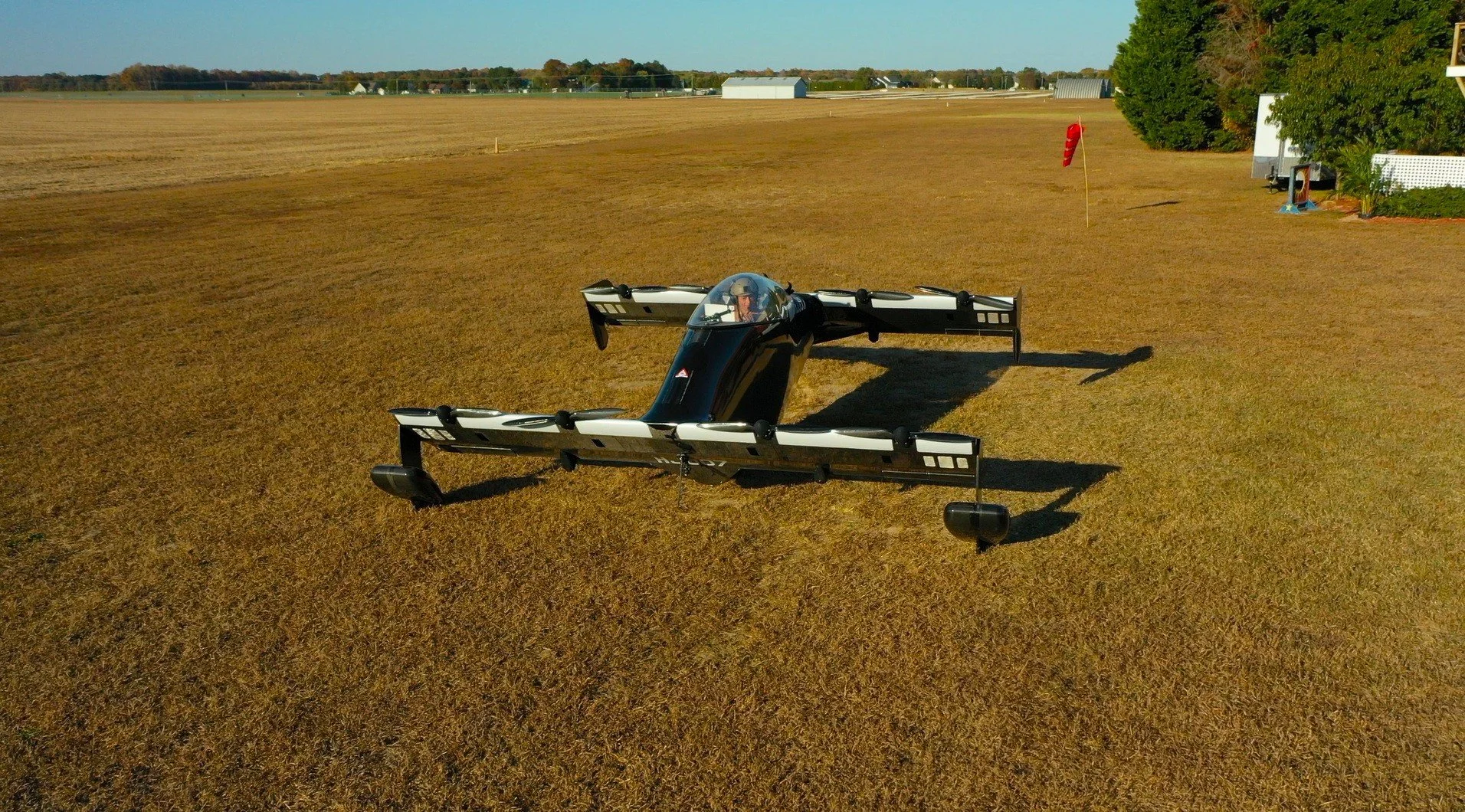
The Flying Car Era Has Begun
While many still believe flying cars exist only in concept art and movies, the first commercial units are already in the hands of private owners. In 2023 and 2024, industry leader Pivotal delivered the first personal flying vehicles to U.S. customers, marking the opening of a new era. In late 2025, Jetson followed with the first American delivery of the Jetson One, signaling a broader consumer and media awakening. While Joby and Archer are each vying to introduce flying taxis.
Globally, momentum is accelerating even faster. China has surpassed the US with more aggressive regulatory approvals, aerial routes, and passenger-carrying electric aircraft already operating in controlled environments. As one industry analyst put it, “The question is no longer if flying cars will exist—it’s who will shape the future first.”
Heather’s mission is not simply to participate in this movement—but to humanize it, normalize it, and help prepare society for a world where flight becomes personal.
“It looks like something out of the future, but it’s Heather Chirtea’s reality.”
A Market Poised for Vertical Takeoff
The United States now stands at the edge of a mobility revolution. Miami is developing infrastructure for airborne taxis. The 2028 Olympics will feature flying cars transporting patrons. Investors are circling what analysts project will exceed $65 billion in market value, and major automakers and tech firms are converging on the ecosystem.
This is the same moment electric vehicles experienced in their infancy—misunderstood by the public, doubted by traditionalists, and quietly unstoppable.
The aircraft already fly. The next frontier is the environment beneath them: where they launch, where they land, how urban airspace is managed, and how communities adapt to vertical mobility.
“It’s like something out of a movie, out of the future, unlike anything I’ve ever seen before!”
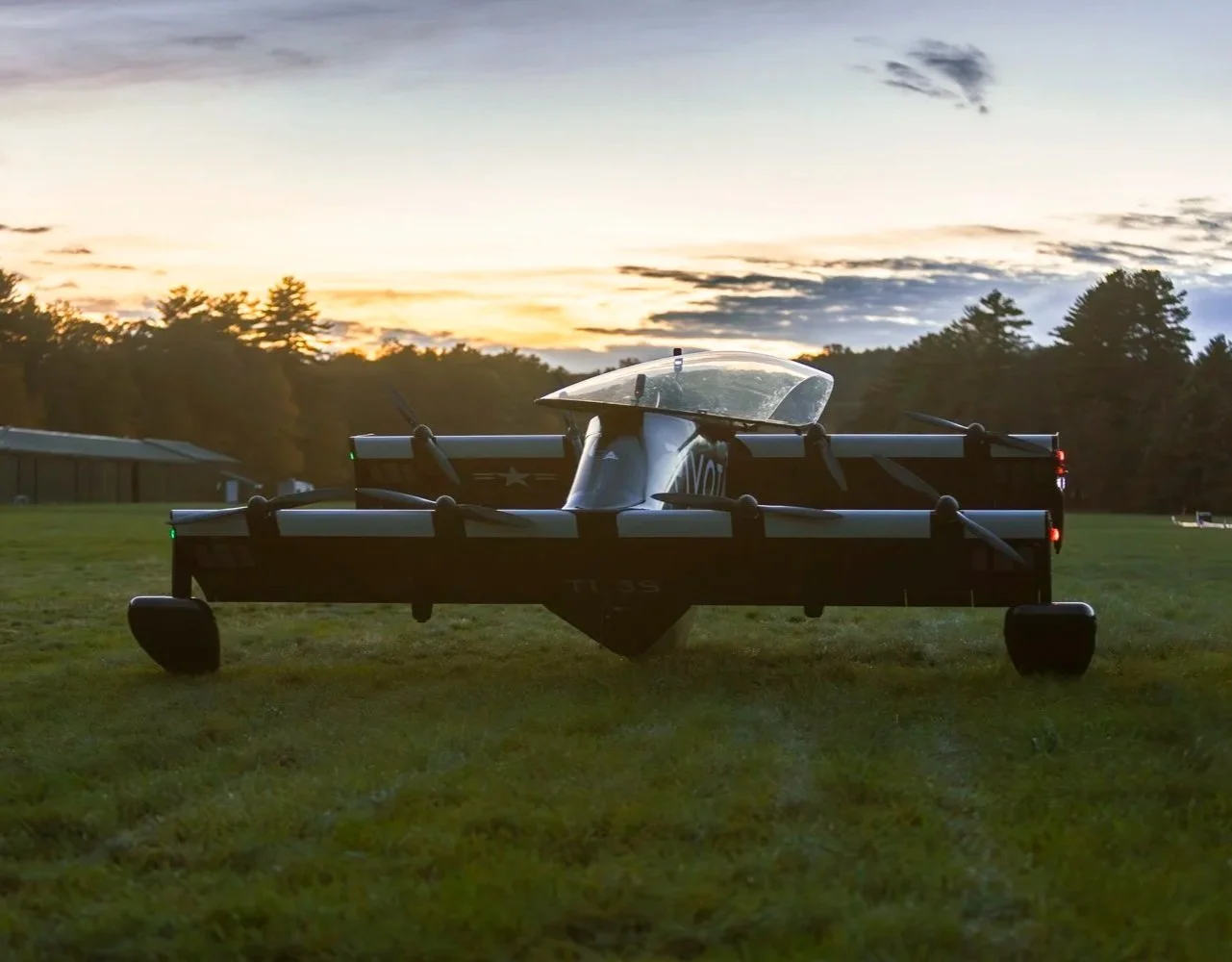
The Future Is Vertical—and Shared
The next phase of personal flight will not depend on daring pilots. It will be powered by autonomous stabilization, intelligent navigation, obstacle-aware routing, and digital sky corridors that guide aircraft safely above cities and coastlines.
Vertiports—compact urban hubs for takeoff, landing, and charging—will become as common as parking garages and fuel stations. As regulation evolves and infrastructure matures, the flying car will move from novelty to necessity.
And for the first time in history, flight will belong not to institutions—but to people. One to four at a time.
Heather Chirtea stands at the intersection of innovation, courage, and vision—inviting the world not just to watch the future arrive, but to rise into it together.
Want more insights?
Schedule an interview with Heather